

Piedmont Medical Solutions
Updated 9:53 AM CDT, Thu August 27, 2026
Published Under: UTI
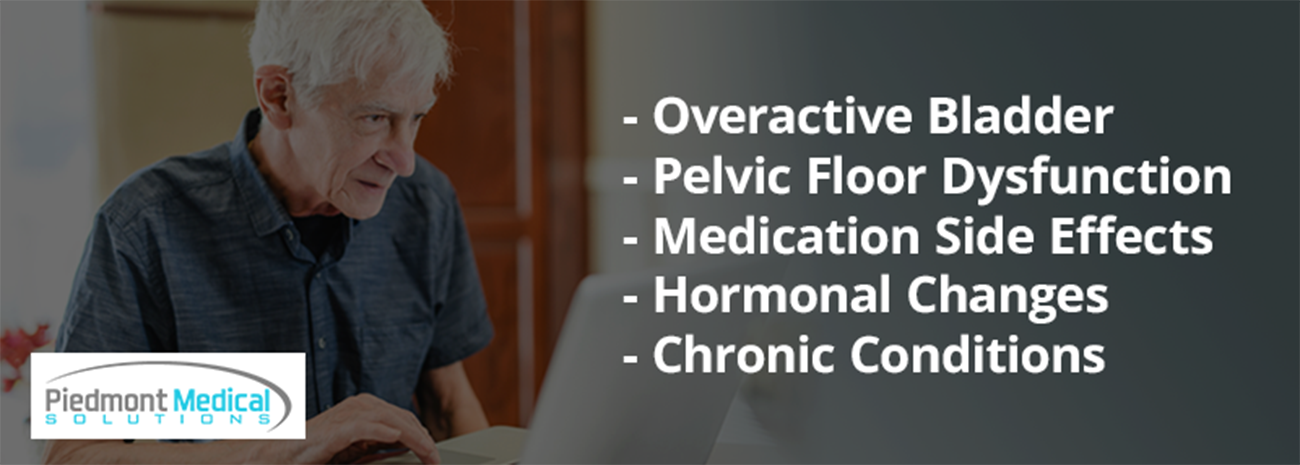
You wake up in the middle of the night to urinate yet again, even though you haven’t been drinking any more fluids than usual. Your first thought might be, “it’s probably a UTI.”
While urinary tract infections (UTIs) are common, they are not the only cause of bladder symptoms. Urinary frequency, urgency, and discomfort can occur with several other bladder and urinary health conditions, making it difficult to determine the cause based on symptoms alone.
Identifying the underlying cause is an important step toward finding effective treatment. Without an accurate diagnosis, symptoms may continue, treatment may be delayed, and you could spend unnecessary time and money treating the wrong condition. This article explores several conditions that can mimic UTI symptoms, why proper diagnosis matters, and when it may be time to contact a healthcare provider.
Quick navigation
- Common Symptoms That Can Mimic A UTI
- Common Non-UTI Causes of Bladder Symptoms
- Why Proper Diagnosis Matters
- Managing Bladder Symptoms
- When to Contact a Healthcare Provider
- How Piedmont Medical Solutions Can Help
- Taking Control of Your Bladder Health
- FAQs
Common Symptoms That Can Mimic a UTI
When many people experience bladder symptoms, their first thought is often a UTI. While UTIs are common, they are not the only condition that can cause urinary urgency, frequency, or discomfort. Several other bladder and urinary health conditions can produce similar symptoms, making it difficult to identify the underlying cause based on symptoms alone.
Some of the most common symptoms that may mimic a UTI include:
- Frequent urination
- Sudden urge to urinate
- Leaking urine
- Bladder pressure or discomfort
- Feeling like the bladder is not fully empty after urinating
At this point, you may be wondering, “if it isn’t a UTI, what could be causing my symptoms?”
Common Non-UTI Causes of Bladder Symptoms
Not all bladder symptoms stem from the same source. While some conditions directly affect bladder function, others may be linked to medications, hormonal changes, or other health conditions. Identifying the root cause can help guide treatment decisions and improve symptom management.
Some of the most common non-UTI causes of bladder symptoms, such as urinary frequency, urgency, and discomfort include:
Overactive Bladder (OAB): A condition characterized by a sudden, difficult-to-control urge to urinate. Some individuals may also experience frequent urination or urge incontinence, even when the bladder is not full.
Urinary Incontinence: Loss of bladder control that results in accidental urine leakage. Some individuals may experience leakage when coughing, sneezing, laughing, or exercising, while others may have a strong urge to urinate that is difficult to delay. These symptoms can occur without a urinary tract infection.
Pelvic Floor Dysfunction: The pelvic floor muscles help support the bladder and control urination. When these muscles become weak, tight, or do not function properly, symptoms such as urgency, frequency, leakage, and incomplete bladder emptying can occur.
Enlarged Prostate (BPH) in Men: Benign Prostatic Hyperplasia (BPH) is a common condition in aging men that causes the prostate gland to enlarge. As the prostate grows, it can put pressure on the urethra and affect urine flow, leading to symptoms such as frequent urination, urgency, weak urine stream, and difficulty emptying the bladder.
Bladder Irritants in Food and Drinks: Certain foods and beverages can irritate the bladder and trigger symptoms that resemble a UTI. Common bladder irritants include caffeine, alcohol, carbonated beverages, spicy foods, and chocolate.
Medication Side Effects: Certain medications may increase urination frequency, urgency, or bladder irritation. Examples include blood pressure medications, antidepressants, and diuretics (water pills).
Hormonal Changes: Hormonal fluctuations can affect bladder and urinary tract function. Women may experience bladder symptoms during perimenopause, menopause, pregnancy, or postpartum recovery.
Chronic Health Conditions: Several chronic health conditions can affect bladder function and contribute to urinary symptoms. Examples include diabetes, multiple sclerosis, Parkinson’s disease, and stroke.
Related Reading: Bladder Irritation vs. UTI
Why Proper Diagnosis Matters
Proper diagnosis matters not only for your health and well-being, but also for your time and money. Because many conditions can cause symptoms similar to a UTI, identifying the underlying cause is an important step toward finding the right treatment. An accurate diagnosis can help prevent symptoms from worsening while also reducing unnecessary antibiotic use.
By working with your healthcare provider, you can rule out more serious conditions and better understand what may be contributing to your symptoms. This can improve your quality of life and provide peace of mind by giving you a clearer path forward.
If your symptoms persist, worsen, or continue to return despite treatment, it may be time to speak with your healthcare provider for further evaluation. Receiving an accurate diagnosis can help:
- Ensure you receive appropriate treatment
- Avoid unnecessary antibiotic use
- Prevent symptoms from worsening
- Rule out more serious conditions
- Improve quality of life
- Provide peace of mind
A healthcare provider can help you rule out more serious causes, while also providing accurate treatment for you. A healthcare professional may also recommend ways in which you can manage your bladder symptoms. To learn more about bladder symptom management, keep reading.
Managing Bladder Symptoms
Having trouble managing your bladder symptoms? You are not alone. While treatment depends on the underlying cause, there are several strategies that may help support bladder health and improve symptom management. Many of these lifestyle modifications are simple, cost little to nothing, and can be used alongside treatments recommended by your healthcare provider.
Lifestyle Modifications
- Focus on fluids: Certain foods and beverages, such as caffeine, alcohol, carbonated drinks, and spicy foods, may irritate the bladder and worsen symptoms. Keeping track of foods and drinks that trigger symptoms may help you identify patterns and reduce flare-ups.
- Try bladder training: This involves going to the restroom at scheduled times and gradually increasing the time between bathroom visits to help improve bladder control. Over time, bladder training may help improve bladder capacity and reduce feelings of urgency.
- Strengthen your pelvic floor: Pelvic floor exercises may help improve bladder support and reduce leakage. These exercises are commonly known as Kegels and may help improve bladder control when performed consistently.
- Maintain a healthy weight: Excess weight can place additional pressure on the bladder and pelvic floor.
- Review your medications: Some medications may contribute to bladder symptoms. Talk to your healthcare provider if you have any concerns.
Products and Supportive Solutions
- Monitoring tools: Symptom-tracking apps and bladder diaries can help identify patterns, triggers, and changes in symptoms.
- Incontinence products: Absorbent pads, liners, protective underwear, and waterproof mattress protectors can provide protection and confidence.
- Pelvic floor support: Pelvic floor therapy and other provider-recommended treatments may help improve bladder control.
- Comfort and hygiene products: Skin barrier creams, gentle cleansing products, and moisture-wicking undergarments may help improve comfort and protect against irritation.
Each of these may help in managing your bladder symptoms, though a healthcare professional may provide more extensive information about how to treat specific bladder symptoms.
When to Contact a Healthcare Provider
When symptoms persist or frequently return, it can be frustrating. When symptoms interfere with your daily activities, it may be time to speak with a healthcare professional.
You should consider contacting a healthcare provider if you experience:
- Frequent urination, urgency, or discomfort that does not improve
- Symptoms that repeatedly return, even after treatment
- Difficulty controlling your bladder or new episodes of leakage
- Changes in your usual bladder habits that concern you
- Symptoms that affect your sleep, work, or quality of life
Seek medical attention if you experience:
- Blood in your urine
- Fever or chills
- Severe pelvic, abdominal, or back pain
- Difficulty urinating or inability to urinate
- Symptoms that suddenly become significantly worse
Because many conditions can cause symptoms like a UTI, a professional evaluation can help identify the true cause and ensure you receive the most appropriate care.
How Piedmont Medical Solutions Can Help
While proper diagnosis is an important step toward understanding your symptoms, supportive products can help you manage day-to-day challenges along the way. Piedmont Medical Solutions offers a wide range of urological supplies such as incontinence products.
These supplies can help you stay confident and comfortable while you treat your symptoms. If you are managing symptoms that may mimic a UTI, or caring for someone that is, our team can help you understand supply options.
Explore our urological services or browse our urological supplies online.
Taking Control of Your Bladder Health
Many conditions can cause similar symptoms to a UTI. Through proper diagnosis, you are able to take important steps toward relief. Receiving accurate treatment allows you to spend less time and money on a self-diagnosis that may not be accurate.
Help is available, and symptoms can often be managed with proper care, lifestyle changes, and supportive products. Contact Piedmont Medical Solutions today with any questions you may have.
FAQs
What symptoms are commonly associated with a UTI?
Common UTI symptoms include frequent urination, urinary urgency, burning during urination, pelvic discomfort, and cloudy or strong-smelling urine. However, these symptoms can also occur with other conditions.
Do I need antibiotics if I have urinary urgency or frequency?
Not necessarily. Antibiotics are used to treat bacterial infections and may not help if symptoms are caused by another condition. This is why an accurate diagnosis is important.
What foods and drinks can irritate the bladder?
Some people find that caffeine, alcohol, carbonated beverages, spicy foods, artificial sweeteners, and acidic foods can worsen bladder symptoms.
Can dehydration make bladder symptoms worse?
Yes. Drinking too little water can lead to concentrated urine, which may irritate the bladder and increase discomfort. Staying properly hydrated is important for overall urinary health.
Can bladder symptoms come and go?
Yes. Some bladder conditions may cause symptoms that fluctuate over time, which is why recurring symptoms should be discussed with a healthcare provider.
Can stress cause bladder symptoms?
Yes. Stress can affect bladder function and may contribute to symptoms such as urinary urgency, frequency, or increased awareness of bladder sensations. While stress is not the cause of every bladder problem, it can sometimes worsen existing symptoms.
What should I expect during an evaluation for bladder symptoms?
Your healthcare provider may review your symptoms, medical history, medications, lifestyle factors, and perform tests to help determine the cause of your symptoms and recommend appropriate treatment options.
Comments