

Piedmont Medical Solutions
Updated 2:40 PM CDT, Thu May 28, 2026
Published Under: Diabetes Management
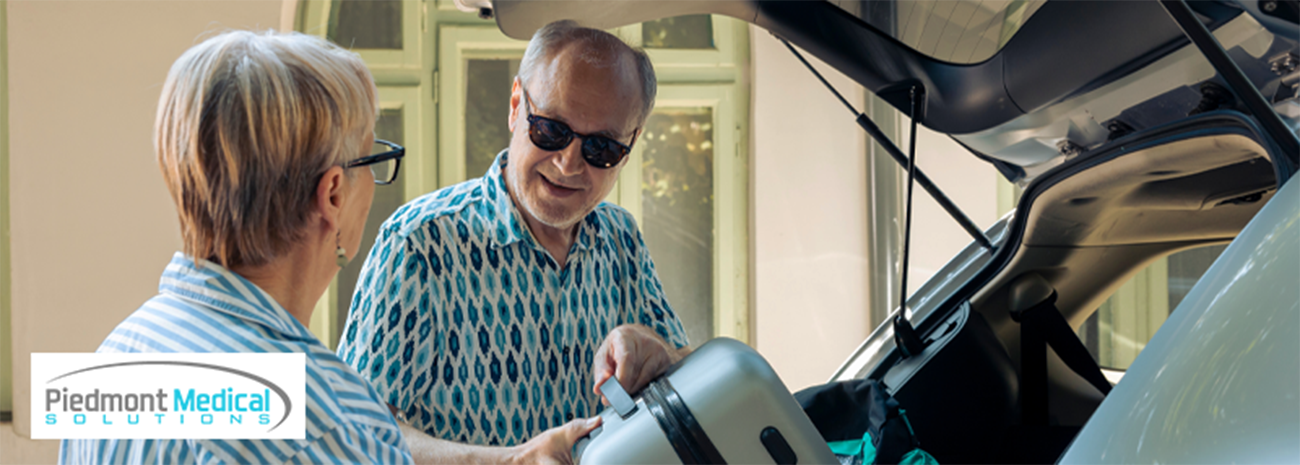
Road trips offer flexibility that flying doesn’t. You control the schedule, the stops, and maybe most importantly, the snacks. For people managing diabetes, that control can make travel feel more manageable.
Still, spending hours on the road introduces a whole different set of its own challenges. Extended sitting, unpredictable meals, temperature swings, and limited access to supplies can all affect blood sugar and medication safety.
A successful diabetes‑friendly road trip isn’t about packing everything you own. It’s about knowing what has to be accessible, how to protect temperature‑sensitive supplies, and how to respond calmly if something is left behind.
Here, we’ve provided a practical, realistic guide to help you prepare for your trip and be able to react when plans shift unexpectedly.
What to Pack and What to Keep Within Reach
When traveling by car, placement matters just as much as what you bring. Anything related to blood sugar safety or medication should stay in the passenger area, not the trunk.
Diabetes Management Essentials
Keep these in a clearly labeled bag that stays with you:
- Insulin (pens or vials)
- Blood glucose meter, strips, lancets
- Continuous glucose monitor supplies, if used
- Fast‑acting glucose (tablets, gel, juice)
- Long‑acting snacks with protein
- Alcohol swabs and pen needles
- A written medication list or photo stored on your phone
Even on shorter trips, bringing extra supplies protects against traffic delays, detours, or unexpectedly warm conditions that may shorten insulin usability.
Read More: Starting a CGM? Here’s What You Need to Know
Why Temperature Protection Deserves Extra Attention
Insulin begins to lose effectiveness when exposed to extreme heat or freezing temperatures. Cars reach unsafe temperatures quickly — often within minutes — especially in summer conditions or direct sunlight. Consistent temperature swings can damage insulin just as much as a one-time extreme exposure.
Practical Temperature Protection Tips
- Use a medical‑grade insulated case designed for medication
- Avoid placing insulin directly against ice or frozen packs
- Never leave insulin in a parked car, even briefly
- Keep supplies out of direct sunlight
- Check insulin clarity regularly; cloudiness or particles may indicate damage
A small, reliable storage solution can mean the difference between usable medication and a disrupted trip.
Managing Blood Sugar During Long Driving Stretches
Long periods of sitting may lead to unanticipated glucose changes, particularly for people who are used to more daily movement.
Helpful strategies include:
- Scheduling regular stretch or restroom breaks
- Checking glucose before extended driving segments
- Avoiding long gaps between meals
- Keeping snacks visible to prevent reactive decisions
Even mild dehydration can affect glucose readings, so regular fluid intake matters, especially in warmer weather.
If a Supply Is Forgotten or Runs Low
Despite planning, things get left behind. Knowing what to do next prevents small issues from turning into emergencies.
If You Forget Medication or Equipment
- Contact your provider or diabetes care team for guidance
- Many pharmacies can provide short‑term emergency supplies with proof of prescription
- Large chain pharmacies may help transfer prescriptions across locations
For CGM or pump users, manual monitoring with a backup meter can bridge short gaps if sensors fail or supplies run out.
Related: 6 CGM Tips for Heart Health
Signs You Should Pause Travel and Seek Care
Road trips encourage a “push through” mindset, but certain symptoms warrant stopping and reassessing. Seek medical guidance if you notice:
- Persistent high or low blood sugar that doesn’t respond to correction
- Nausea, vomiting, or confusion
- Signs of heat exposure
- Insulin that appears compromised
Addressing concerns early protects your safety and helps ensure the rest of the trip remains enjoyable.
Planning Without Overplanning
Diabetes‑aware travel doesn’t require perfection. It benefits most from clear priorities:
- Accessibility
- Temperature stability
- Backup options
With those elements in place, road trips can be flexible, manageable, and low‑stress. Piedmont Medical Solutions works with patients to support diabetes management both at home and on the road, helping ensure the right supplies are available when routine changes. Thoughtful preparation makes room to focus on the destination, not just the details.
FAQs
How often should I check my blood sugar during a road trip?
That varies by individual, but checking before long driving stretches and before meals helps catch changes early.
Can insulin stay cool in a regular lunch cooler?
Basic coolers may not maintain consistent temperatures. Insulin requires stable protection to remain effective.
What if my insulin gets warm for a short time?
Short exposures may not cause immediate damage, but insulin that looks cloudy, discolored, or ineffective should not be used.
Is it okay to store diabetes supplies in the trunk?
Trunks are subject to greater temperature extremes. Supplies should stay in the passenger cabin whenever possible.
What’s the most common road‑trip mistake people make with diabetes supplies?
Leaving insulin in the car during brief stops. Even short exposures can compromise medication.
Comments